
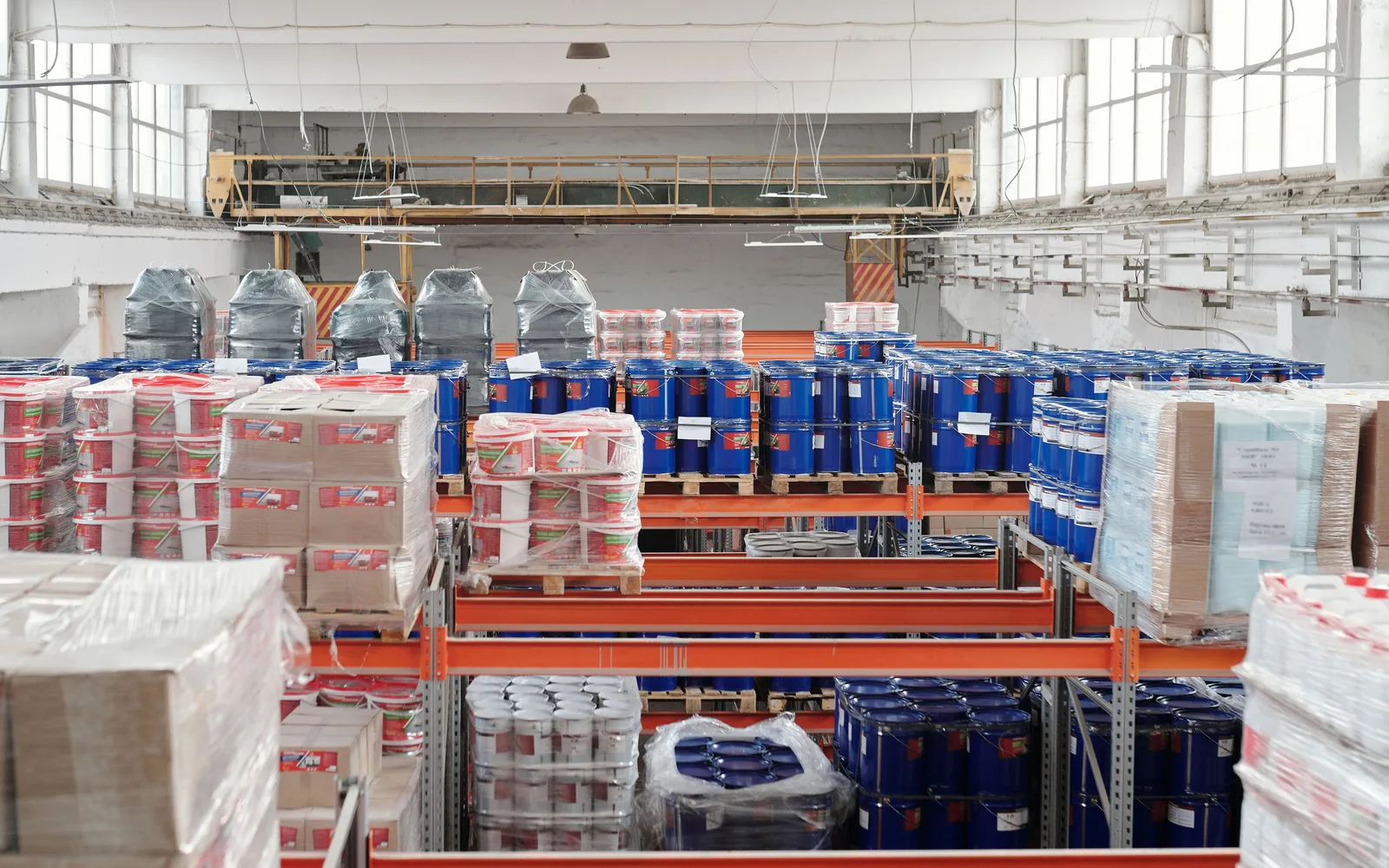
Industry
Manufacturing
Production, procurement, inventory and connected plant operations.
Explore Manufacturing →Industries
The pages below do not prescribe the same stack to every industry. They show the process, system, data and people questions that change the technology decision in manufacturing, logistics, finance, automotive, aerospace, retail and the public sector.
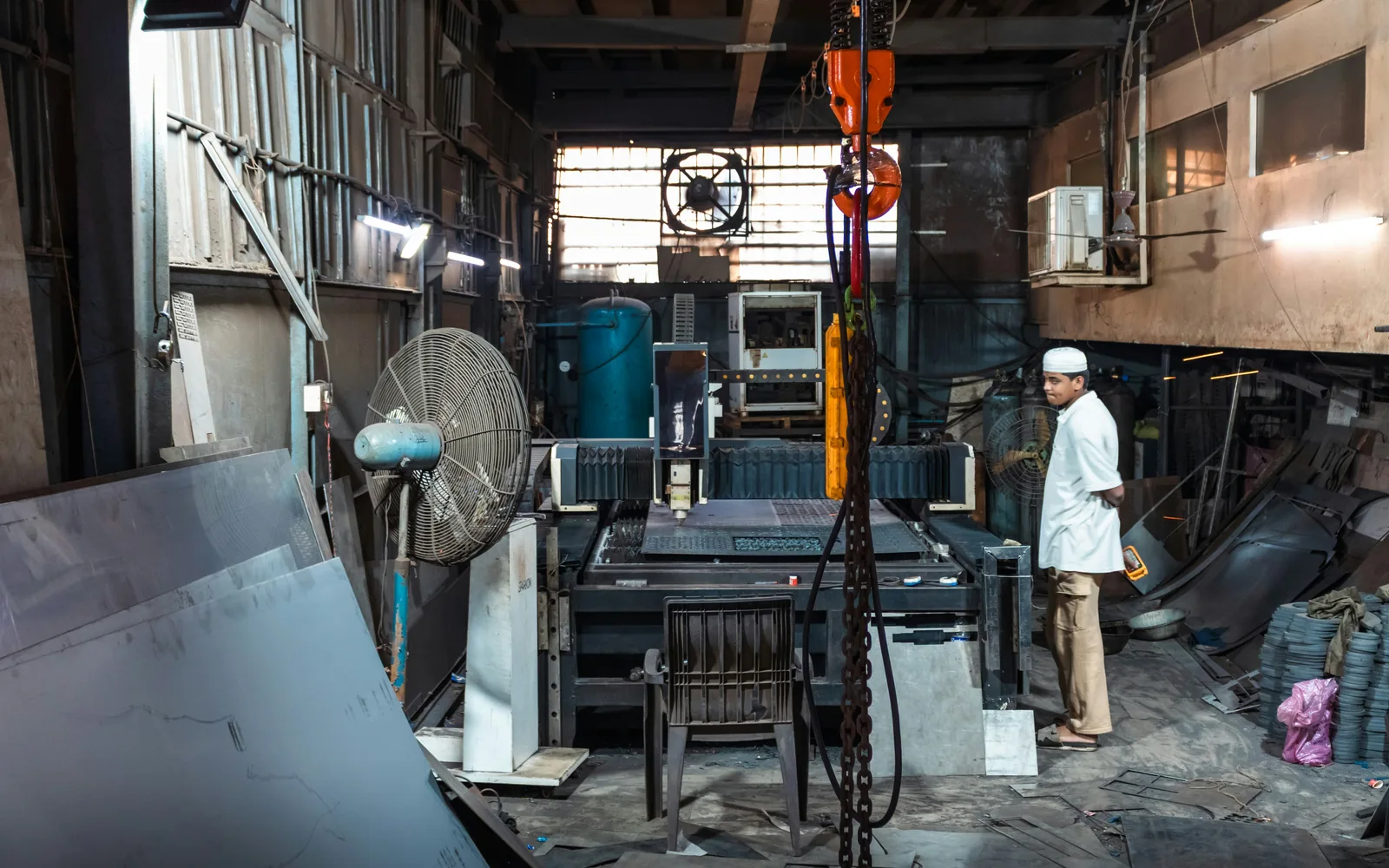
Industry coverage
Explore each industry through its operating context, core workflows, systems and information needs, then connect those requirements to the relevant SAP, engineering, cloud, security and AI capabilities.
Production, procurement, inventory and connected plant operations.
Explore Manufacturing →
Inventory, material movement, fulfilment and warehouse workflows.
Explore Warehouse & Logistics →
Enterprise systems, data, security and controlled financial workflows.
Explore Finance & Insurance →
Production, supply, customer/service information and technology programmes.
Explore Automotive →
Enterprise systems, engineering information, security and specialist capability.
Explore Aerospace & Defense →
Inventory, sales, fulfilment, customer engagement and analytics.
Explore Retail & Distribution →
Enterprise systems, digital services, data, cloud and security.
Explore Government & Public Sector →One capability stack
Manufacturing may prioritise production and inventory integration; finance may prioritise controls, data and security; retail may prioritise inventory, fulfilment and customer information. The capability stack stays consistent while the operating context changes.
Enterprise process consulting, implementation, migration, integration, testing and support.
Explore SAP →RAG, knowledge assistants, analytics and controlled AI-assisted workflows.
Explore AI & Data →Business applications, integrations, migration, automation and operational improvement.
Explore Applications →SAP and specialist technology talent for contract, C2H and permanent requirements.
Explore Staffing →Industry requirement
Share the industry, business process, systems, users, data, locations and delivery constraints. We can then frame the relevant technology discussion.